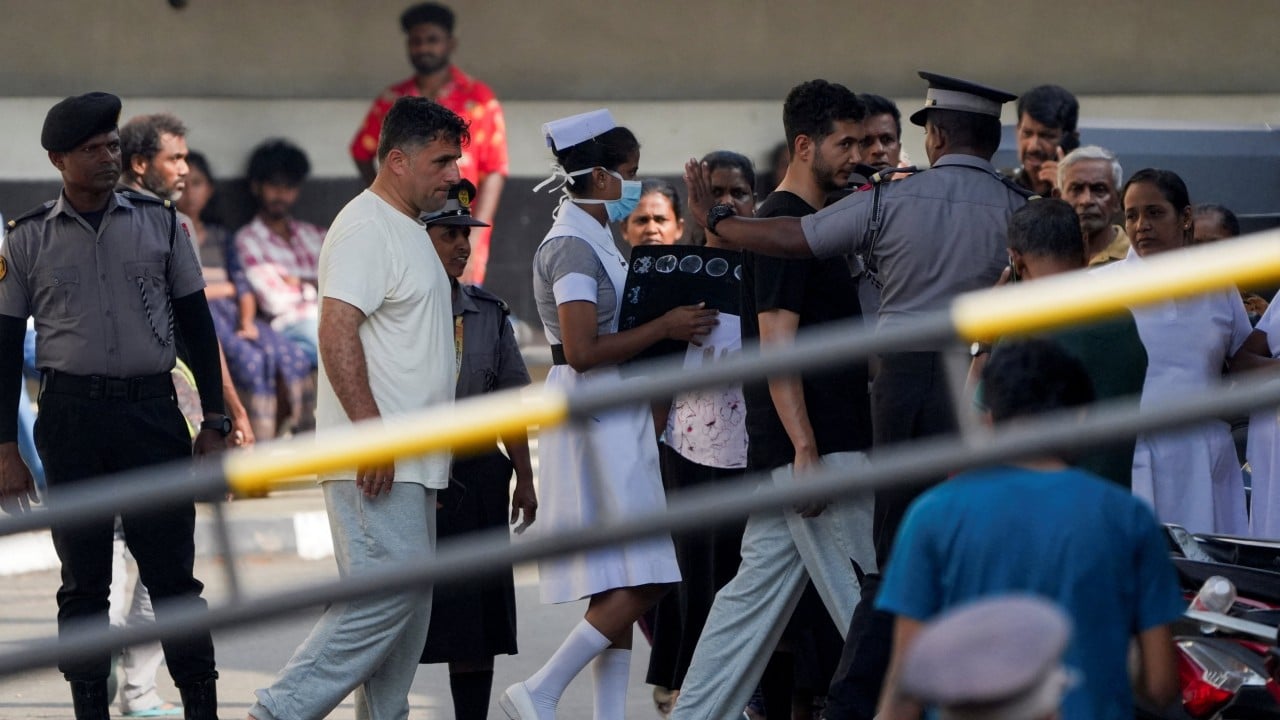
On March 4, the USS Charlotte fired a torpedo at the Iranian frigate IRIS Dena as it sailed 40 nautical miles off Sri Lanka's southern coast. Defense Secretary Pete Hegseth celebrated the strike as a military success. The Iranian vessel, returning from a routine naval review in India with minimal ammunition aboard, sank within sight of Galle's colonial ramparts—a city known more for literary festivals than geopolitics.
The attack accomplished something Washington likely never intended: it shifted Sri Lankan public sentiment from neutrality toward sympathy for Iran. This matters because Sri Lanka had occupied a rare position of insulation from global conflicts despite emerging from civil war and economic crisis. The island nation's goodwill toward Tehran runs deep—Iran quietly supported Sri Lanka against the Tamil Tigers and later supplied oil for tea during the economic collapse when even the U.S. had granted sanctions waivers.
Three days after the sinking, oil patches appeared along Hikkaduwa's pristine coastline. Mongabay reports fishermen observed thick slicks stretching 18 kilometers, with damaged oil barrels washing ashore near one of Sri Lanka's premier tourist destinations. Spanish satellite monitoring firm Orbital detected the spill on March 5, saying oil continues leaking from the IRIS Dena wreck. Sri Lankan authorities cleared 90% of the surface oil but await lab results to confirm the source—a curious hesitance given the timing.
The environmental implications extend beyond tourism. Marine biologist Muditha Katuwawala warns the spill coincides with peak ichthyoplankton season and sea turtle nesting, potentially devastating fish larvae and shallow-water corals already depleted by 50%. Fishermen report nets fouled with oil and fish avoiding contaminated waters, threatening livelihoods in communities that depend on daily catches.
For India, the strike creates an impossible diplomatic position. The Iranian vessel had just participated in New Delhi's International Fleet Review, meeting India's president before sailing into an American torpedo. Prime Minister Modi faces the classic bind of middle powers: privately concerned about escalating conflict but unable to criticize Washington without risking economic retaliation through tariffs or sanctions pressure.
The missing element in coverage is legal accountability. If laboratory analysis confirms the oil originated from the IRIS Dena, who pays for cleanup and compensation? Environmental lawyer Ravindranath Dabare suggests those who carried out the attack bear responsibility under international maritime law, but the complexities of attacking a military vessel in international waters create legal ambiguities that diplomatic channels must resolve.
What began as a surgical strike on an Iranian frigate has metastasized into environmental contamination, economic disruption, and geopolitical complications spanning from Colombo to New Delhi. The torpedo that sank the IRIS Dena demonstrated how easily America's expanding war with Iran transforms neutral shores into unwilling participants in conflicts they never chose to join.
Regional spillover effects create sector-specific volatility without systemic market impact
Transmission
Environmental and diplomatic complications from military action translate to tourism and shipping cost pressures
Time Horizons:M=MinutesH=HoursD=DaysW=WeeksMo=Months
▼Sri Lankan tourism equitiesCSE:AITK, CSE:HOTELbearish
Oil contamination threatens peak tourism season along southern coast beaches
MHDWMo
◆Indian Ocean shipping ratesBaltic Dry Index componentsvolatile
Transit route security concerns increase insurance and routing costs
MHDWMo
▲Brent crude oil futuresBZ=Fbullish
Escalation fears over key maritime chokepoints despite no infrastructure damage
MHDWMo
▼Sri Lankan rupeeLKR/USDbearish
Tourism revenue threats and geopolitical risk perception reduce currency demand
MHDWMo
Deeper context
What’s Missing
The legal framework governing environmental damage from military action in international waters remains unclear. Coverage lacks details on U.S. intelligence that justified targeting the specific vessel, rules of engagement for Iranian ships transiting international waters, and Sri Lanka's diplomatic response beyond public sentiment shifts.
Historical Parallel
The 1987 U.S. attack on Iranian oil platforms during the Tanker War similarly targeted Iranian assets in international waters, leading to ICJ proceedings and eventual U.S. compensation payments. That precedent suggests Sri Lanka could pursue international legal remedies for environmental damage, though military vessel attacks face different legal standards than civilian infrastructure.
Who’s Affected
Winners: None clear. Losers: Sri Lankan fishermen, tourism operators, marine ecosystems. India caught between strategic partnership with U.S. and regional stability concerns. Iran gains sympathy but loses naval asset. U.S. achieves tactical success but creates new diplomatic complications. Missing voices: Sri Lankan government official response, affected fishing communities, regional environmental groups.
Original source text
Verbatim descriptions from source feeds — unedited, as received
SCMP(center)
There are places in the world where you expect war to intrude. And then there are places where its arrival feels surreal.
For me, the Sri Lankan city of Galle has always belonged firmly to the latter category. The old fort, perched above the Indian Ocean, has the feel of a tropical cousin to Cartage
Read full original ›Mongabay(lean-left)
HIKKADUWA, Sri Lanka — On Saturday, March 7, three days after the Iranian warship IRIS Dena was torpedoed by a U.S Navy submarine close to the southern coast off Galle in Sri Lanka, fishers and coastal communities noticed a thick oil patch along the coast of Hikkaduwa. Hikkaduwa is one of the most p
Read full original ›Times of India(center)
The US-Israel conflict with Iran escalated significantly on its 15th day. Iran targeted the US embassy in Baghdad and a UAE oil hub, while Israel struck Lebanon and Iraq. Debris from intercepted missiles hit Dubai twice. The war now directly impacts diplomatic sites and oil infrastructure across the
Read full original ›Middle East Eye(lean-left)
Iran war: Israel tells US its running low on missile interceptors
MEE staff
on
Sat, 03/14/2026 - 21:54
US officials say Israel’s missile defence stocks are under severe strain during the war with Iran
This picture taken on March 8, 2026 shows launchers of the Patriot mi
Read full original ›Al Jazeera(center)
Thousands rallied in central Madrid calling for an end to the war involving the United States, Israel and Iran.
Read full original ›Middle East Eye(lean-left)
Israel running low on missile interceptors amid Iran war: Report
Israel has warned the United States that it is running dangerously low on ballistic missile interceptors as the war with Iran continues, according to a report by Semafor.
The outlet said US officials familiar with the matter conf
Read full original ›Agent research pack
5 sources · 6 evidence links
Swarm Claim
Middle East crisis Day 15: Iran hits US embassy in Baghdad, UAE oil hub struck.
SCMP · link
How the war on Iran struck the shores of Sri LankaOn March 4, the USS Charlotte fired a torpedo at the Iranian frigate IRIS Dena as it sailed 40 nautical miles off Sri Lanka's southern coast. Defense Secretary Pete Hegseth celebrated the strike as a military success. The Iranian vessel, returning from a routine naval review in India with minimal ammunition aboard, sank within sight of Galle's colonial ramparts—a city known more for literary festivals than geopolitics.
Times of India · link
Middle East crisis Day 15: Iran hits US embassy in Baghdad, UAE oil hub struckThe US-Israel conflict with Iran escalated significantly on its 15th day. Iran targeted the US embassy in Baghdad and a UAE oil hub, while Israel struck Lebanon and Iraq. Debris from intercepted missiles hit Dubai twice. The war now directly impacts diplomatic sites and oil infrastructure across the
Middle East Eye · link
Iran war: Israel tells US its running low on missile interceptorsIran war: Israel tells US its running low on missile interceptors MEE staff on Sat, 03/14/2026 - 21:54 US officials say Israel’s missile defence stocks are under severe strain during the war with Iran This picture taken on March 8, 2026 shows launchers of the Patriot mi
Discussion
— onchainConnect your wallet to join the discussion.
No comments yet. Be the first to share your take.